























America Blinks First: Washington Eases Russia Oil Sanctions as energy prices soar is my pick
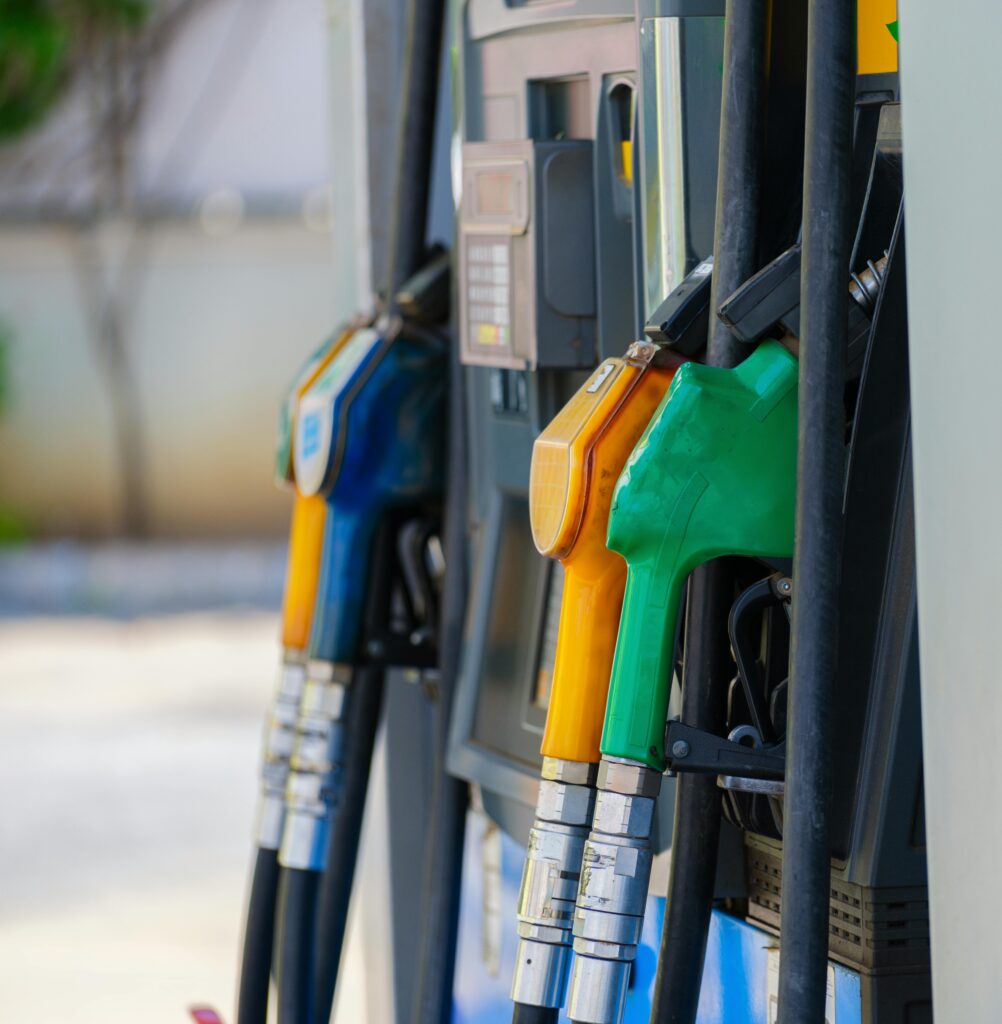
Quick Answer: The United States has announced a temporary authorisation allowing countries to purchase Russian oil and petroleum currently at sea, in a bid to stabilise surging global energy markets. The measure, effective until April 11th, comes as Brent crude climbed back above $100 a barrel and Asian stock markets fell sharply on Friday.
When Washington says it is acting to “promote stability in global energy markets,” it is worth pausing on what that phrase is actually admitting. It is admitting that markets are unstable. It is admitting that the tools available to contain that instability are limited. And it is admitting, implicitly, that the architecture of sanctions policy built painstakingly over three years of conflict in Ukraine is now being quietly loosened under the pressure of a barrel of oil.
The United States has confirmed it will temporarily ease sanctions enforcement to allow countries to purchase Russian oil and petroleum products currently at sea. The authorisation runs until April 11th. The stated rationale is stability. The underlying reality is that Brent crude is above $100 a barrel, Asian equity markets are sliding, and the geopolitical calculus has shifted in ways that make energy price containment a more urgent priority than sanctions purity.
The Mechanics of the Easing
The measure targets Russian oil already in transit — product that has been loaded, is at sea, and is moving toward buyers. By carving out this specific category, Washington is attempting to thread a needle: releasing supply into a stressed market without formally abandoning the broader sanctions framework that has defined Western policy toward Moscow since the invasion of Ukraine.
It is a legally precise but politically significant move. The message to global buyers — particularly in Asia, where Russian crude has found its most reliable post-sanctions customer base — is that Washington will not penalise purchases of oil already on the water. For tanker operators, trading houses, and the refineries of India and China that have absorbed the bulk of redirected Russian supply, the authorisation provides a window of legal clarity that the market has been lacking.
The April 11th deadline is tight. It is designed to present the easing as temporary and tactical rather than strategic — a pressure valve rather than a policy reversal. Whether it remains temporary will depend entirely on where oil prices are when that date arrives.
Why $100 Oil Changes Everything
The return of Brent crude above $100 a barrel is not merely a financial story. It is a political one. The Strait of Hormuz crisis and Iran’s escalating threats to regional energy infrastructure have already pushed markets to levels that trigger inflationary alarm bells in every major economy. Layering a Russian supply constraint on top of a Middle East supply disruption was a combination that markets — and policymakers — were not prepared to absorb simultaneously.
The IEA has already described current conditions as the largest supply disruption in oil market history. Against that backdrop, the logic of maintaining maximum sanctions pressure on Russian petroleum becomes harder to sustain when the collateral damage is landing on consumers, central banks, and equity markets across allied nations.
Asian markets felt it first on Friday. The slide across regional indices reflected not just the oil price itself but what $100 crude signals about the trajectory of global inflation, monetary policy, and growth. The knock-on effects for European economies — already navigating the aftershocks of years of energy volatility — are equally acute.
The Sanctions Dilemma
This move will discomfort Ukraine’s supporters and energise its critics in equal measure. The argument from Kyiv and its closest European allies has always been that sanctions represent a form of pressure that compounds over time — that every exemption, every carve-out, every temporary authorisation erodes the cumulative weight of the policy. Washington’s decision, however tactically justified, hands Moscow a propaganda point and raises questions about Western resolve at a moment when that resolve is already being tested on multiple fronts.
The counterargument is equally straightforward. A sanctions regime that triggers $100 oil, destabilises allied economies, and drives Asian buyers deeper into Moscow’s commercial orbit is not obviously serving its strategic purpose. The relationship between energy prices and geopolitical leverage runs in both directions — and right now, high prices are doing as much damage in Washington’s camp as they are in Moscow’s.
The IEA’s latest oil market analysis is available at iea.org, while the US Treasury’s Office of Foreign Assets Control, which administers sanctions policy, publishes current authorisations at ofac.treasury.gov.
The April 11th deadline will arrive quickly. What happens to oil prices between now and then will determine whether this was a tactical pause — or the beginning of something larger.
FAQs
Why is the US easing sanctions on Russian oil if it supports Ukraine? Washington is framing the move as a temporary, targeted measure to stabilise energy markets following a surge in Brent crude above $100 a barrel. The authorisation applies only to Russian petroleum already at sea and expires April 11th — designed to release supply pressure without formally abandoning the broader sanctions framework.
How long will the Russian oil sanctions easing last and what happens next? The current authorisation runs until April 11th. Whether it is extended will depend largely on where oil prices are at that point. If Brent remains above $100 and geopolitical tensions in the Middle East persist, pressure to extend or broaden the easing is likely to intensify significantly.
The post America Blinks First: Washington Eases Russia Oil Sanctions as energy prices soar is my pick appeared first on European Business & Finance Magazine.