


























$5,000 Taxis, $350,000 Jets: The Staggering Cost of Leaving Dubai Right Now
As the Iran conflict enters its fifth day, getting out of the UAE has become a luxury most cannot afford. Here’s what evacuation actually costs — and who’s paying.
A four-hour taxi ride from Dubai to Muscat in Oman normally costs a few hundred dollars. This week, the same journey is fetching $5,000 or more. Charter jets that would typically run €100,000 from Riyadh to Europe are selling for double that — and the most expensive bookings have topped $350,000 for a single one-way flight.
The Iran war has not only grounded 21,300 flights across the Gulf — it has created a parallel evacuation economy where the price of escape is determined entirely by who can pay.
The ground game: $5,000 and rising
With Dubai International Airport operating under severe restrictions and Qatar Airways still fully grounded due to closed Qatari airspace, the overland route has become the primary exit corridor. Two destinations dominate: Muscat, roughly four hours east via the Hatta border crossing, and Riyadh, more than ten hours west across the Saudi border.
Under normal conditions, the Hatta crossing takes 30 to 90 minutes. Security firms now report wait times of three to four hours, with queues growing daily as more residents make the decision to leave. The cost of a private hire vehicle or minibus on either route has surged from a few hundred dollars to thousands.
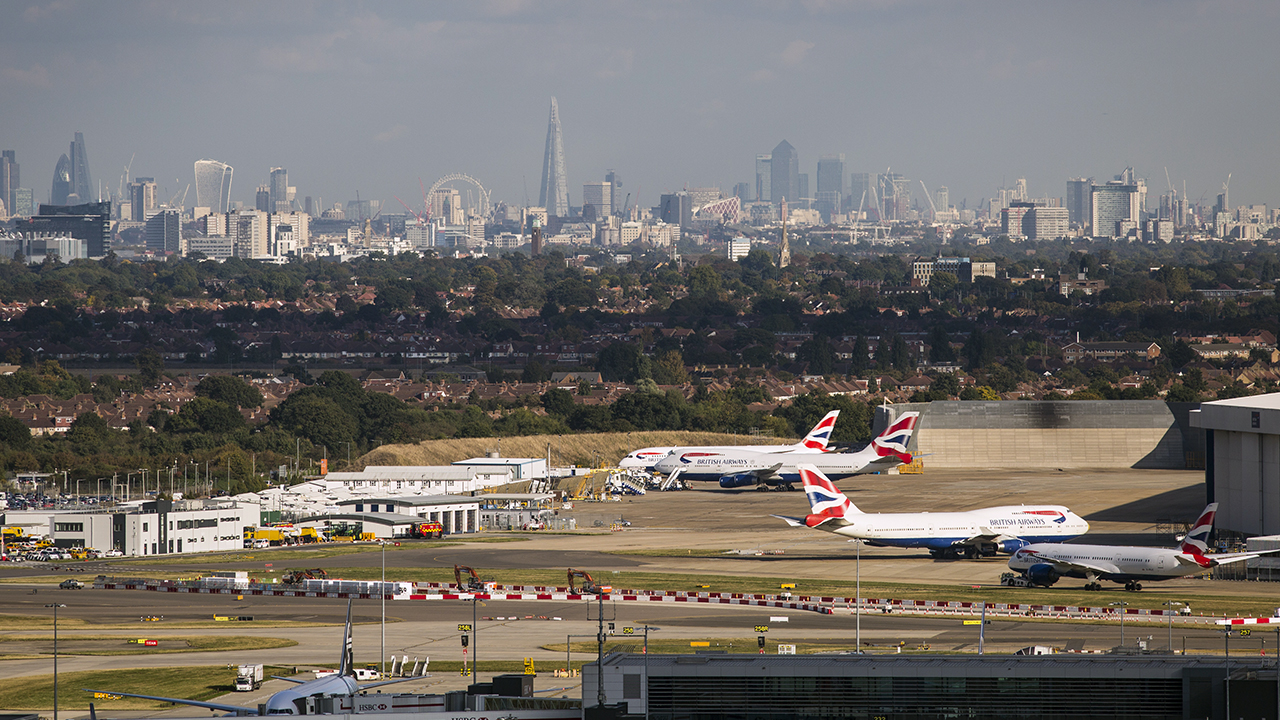
The problem, as one insurance executive put it, is that the US State Department’s evacuation advisory tells citizens to leave using available commercial means — but commercial means have largely evaporated. Emirates, Flydubai and Etihad are running limited repatriation services, but regular schedules remain suspended. Virgin Atlantic resumed a single Heathrow service from Dubai on Wednesday, one of only a handful of commercial departures.
For the roughly 3.5 million expats in the UAE, the maths is brutal: limited supply, surging demand, and no clear timeline for normalisation.
The air corridor: $93,000 to $350,000
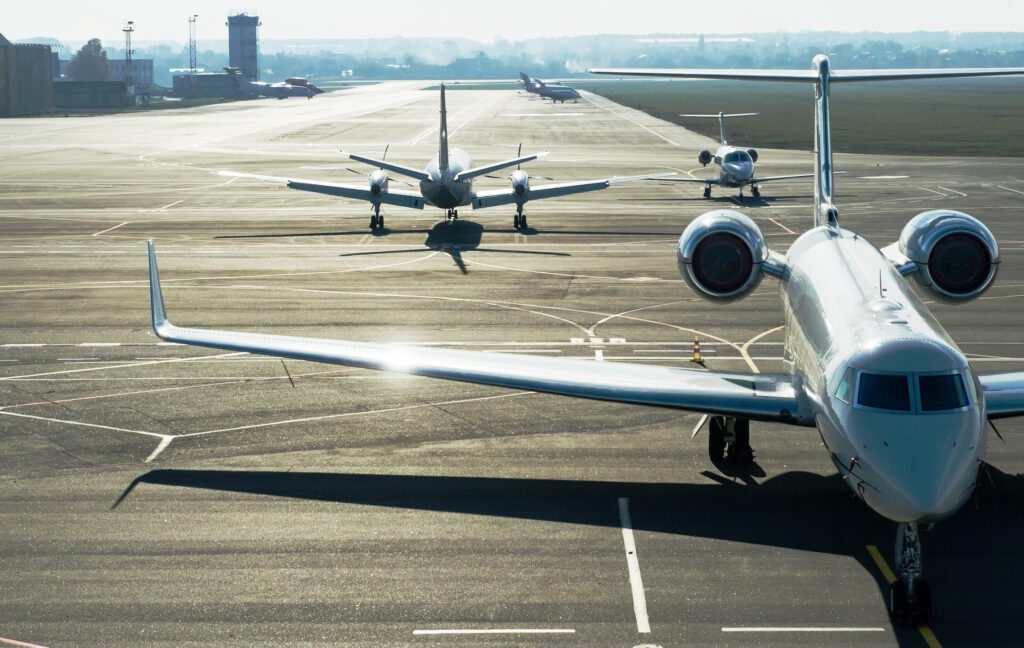
Those with the resources to charter private jets face a different set of obstacles. Because Dubai’s airports remain restricted, most private aviation clients must first travel overland to Muscat or Riyadh before boarding a flight. A light jet from Muscat to Istanbul — a popular routing that connects to onward commercial services — is reportedly selling for over $93,000, roughly double the normal rate. Larger jets capable of reaching Western Europe directly are commanding $200,000 to $350,000.
Even at those prices, operations are chaotic. Ground handling crews at Gulf airports are difficult to reach. In one reported incident, a pilot on a $200,000 charter had to physically chase down a fuel truck on the tarmac to get his aircraft refuelled.
Demand is outstripping supply. One France-based broker described the situation bluntly: the industry simply cannot deliver enough aircraft to meet the volume of requests. The bottleneck is not just pricing — it is the physical number of planes available and the airspace corridors they can use.
The family exodus: pets on board
Perhaps the clearest signal that this is no longer a short-term disruption is the shift in who is leaving. Early evacuees were primarily business travellers and holidaymakers. Now, long-term residents and settled families are departing.
Charter operators report a sharp increase in requests for flights accommodating pets — a strong indicator that families are not planning to return soon. Commercial pet transport is essentially non-viable in the current environment. Families are paying premium charter rates simply to avoid leaving animals behind.
Travel agents who serve high-net-worth clients in the region describe a shift in sentiment around Tuesday. Before that, residents were staying calm and expecting a quick resolution. That expectation has now broken. People understand the conflict will take time, and they are acting accordingly — heading for Oman, then out of the region entirely.
What happens next
The longer Gulf airspace remains restricted, the wider the pricing gap becomes. The US State Department is now securing military and charter flights to evacuate American citizens, and several European governments are arranging repatriation services. But for the vast majority of stranded travellers — tens of thousands of whom are sleeping in airport terminals — there is no $200,000 escape route. There is only waiting.
The energy shock driving oil above $90 is the same force keeping jet fuel prices elevated, squeezing airlines already reluctant to fly through contested airspace. Every additional day of restricted operations deepens the backlog and pushes prices higher.
Dubai marketed itself as the world’s safest, most connected hub. This week, it is learning what happens when that connectivity switches off overnight.
FAQ
How much does it cost to leave Dubai during the Iran conflict? Overland transport to Muscat or Riyadh now costs $5,000 or more, up from a few hundred dollars. Private jet charters range from $93,000 for a light jet to Muscat–Istanbul, up to $350,000 for a direct flight to Western Europe. Limited commercial repatriation flights are available but not on regular schedules.
Are commercial flights operating from Dubai? Emirates, Flydubai and Etihad are running limited repatriation services, and Virgin Atlantic resumed a single Dubai–London route on 5 March. Regular commercial schedules remain suspended. Qatar Airways is fully grounded due to Qatari airspace closures. Most passengers are advised to monitor airline updates and consider overland routes to Muscat or Riyadh for onward connections.
The post $5,000 Taxis, $350,000 Jets: The Staggering Cost of Leaving Dubai Right Now appeared first on European Business & Finance Magazine.